

Introduction
Even prime pavers can fail when they are installed incorrectly. Problems like switching, sinking, breaking, harsh surfaces, and grass are commonly connected to mistakes made during installation. Read the article below to learn about Concord paver installation mistakes.
Paver Installation Mistakes
1. Skipping Base Preparation
The establishment area must be properly excavated to the appropriate depth, contingent upon the project and intended traffic. The soil should be compacted more before the base cloths are added.
How to avoid it:
Start with correct digging and remove unfit soil or natural material. Compact the sub-grade thoroughly and confirm the surface is level before proceeding with the installation.
2. Using an Inadequate Base
The base beneath pavers provides essential support.
How to avoid it:
Choose an appropriate aggregate base for the project and establish it in correctly compacted layers. The necessary insight will consider factors such as soil conditions, moisture, drainage, and usual traffic.
3. Failing to Compact Materials Properly
Compaction is key at various stages of paver installation. If the soil, aggregate base, or quilt material is not adequately compacted, the surface may eventually settle. Uneven compaction can result in pavers shifting in different directions.
How to avoid it:
Use the appropriate compaction equipment and compact each layer correctly; otherwise, it becomes bothersome to compact the entire area at the end. The surface condition should be checked for soft or hard areas before proceeding.
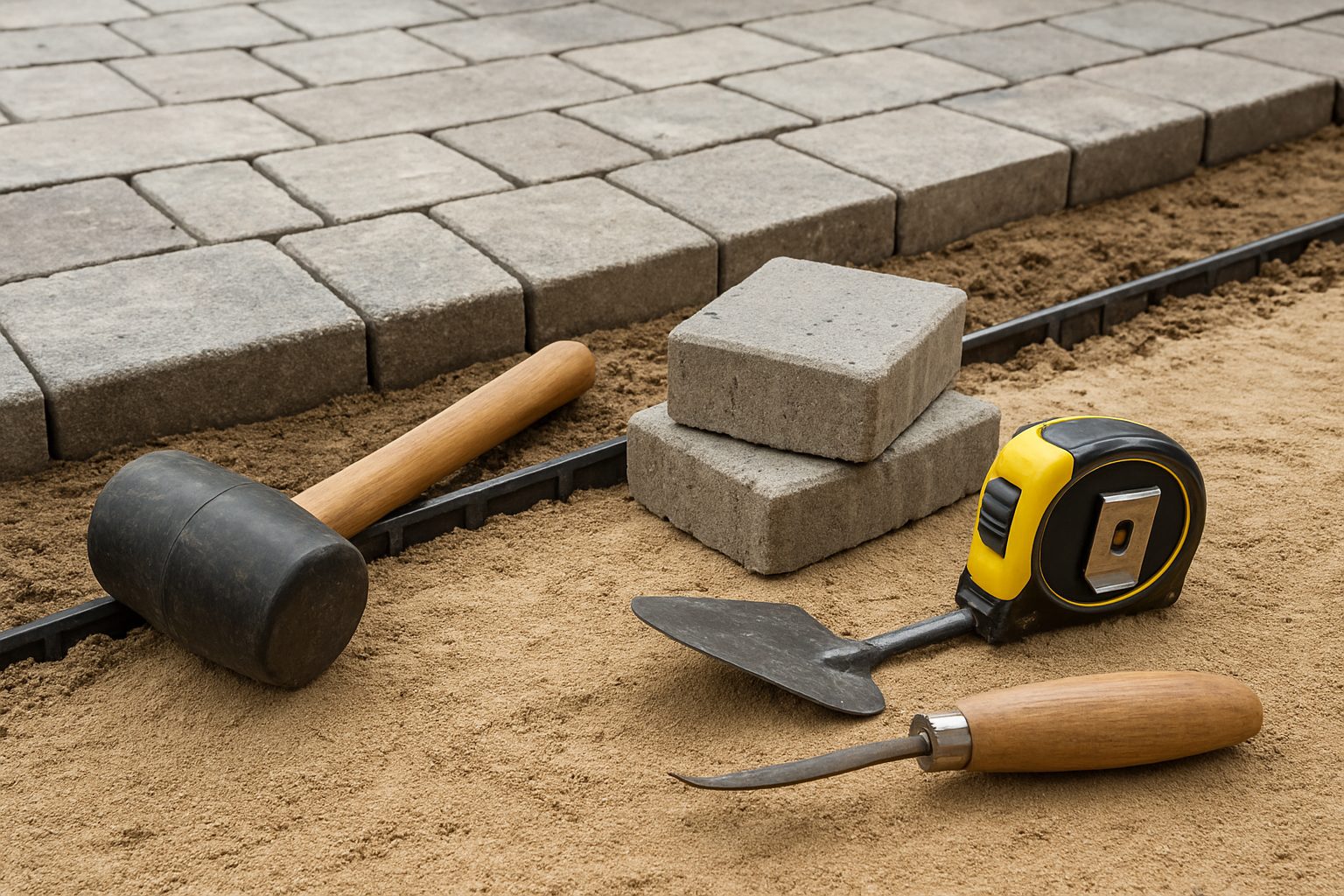
4. Installing Pavers Without Proper Edge Restraints
Pavers can shift outward when their edges are not correctly held. An expert paver installer Concord can help you to avoid such issues.
How to prevent it:
Install appropriate edge restraints around the circumference of the concreted field. They help keep the pavers fully positioned and maintain the integrity of the installation over time.
5. Choosing the Wrong Paver for the Application
Not every paver is appropriate for each project. A product that works well for a beautifying easy course may not reinforce for a driveway. Appearance is important, but grit, girth, surface traits, and intended use also influence the selection.
How to prevent it:
Choose pavers based on where they will be installed and by way of what much traffic they will receive. Consider factors such as bike loads, weather exposure, slip resistance, maintenance needs, and overall design.
6. Rushing the Finishing Process
The last stages of installation are as important as the development. Inadequate joint contents, lacking compaction, or improper cleaning can compromise the finished surface. Joint material helps stabilize individual pavers and can improve appearance when installed correctly.
How to prevent it:
Follow the manufacturer’s approvals for joint material and installation. Compact the finished surface appropriately and examine the gaps and edges carefully before the project is done. You can also contact a paver contractor Concord for more advice.
Conclusion
Avoiding approved paver installation mistakes can create a significant difference in the appearance, strength, and endurance of a paved surface. Proper development is particularly important cause many installation issues start below the pavers and may not become apparent until months or years later.
Whether you are preparing a drive, patio, road, or another aggregate field, focusing on a settled base, effective drainage, decent compaction, secure edges, and appropriate fabrics can help you forge a surface that looks good and performs dependably for ages.
Key Takeaways
- Skipping base preparation can lead to issues like sinking and shifting pavers due to inadequate excavation and compaction of the soil.
- The base beneath pavers must be of appropriate aggregate and properly compacted to provide essential support for the paved surface.
- Failing to compact materials properly during installation can result in uneven surfaces and shifting pavers over time.
- Installing pavers without proper edge restraints can cause them to shift outward, compromising the integrity of the installation.
- Choosing the wrong paver type for a specific application can lead to performance issues, as different projects require different paver characteristics.
- Rushing the finishing process and inadequately preparing joint materials can compromise the stability and appearance of the finished paved surface.